
Boosting Immunity in Children: Natural and Effective Strategies
Disclaimer: This blog provides general information on child health and is not a substitute for professional medical advice.
At KinderCure, we advocate for natural approaches to enhance the immune systems of our young patients, focusing on lifestyle habits that promote overall health and well-being. What many parents find surprising is that approximately 70% of immune cells reside in the gut, which means that everyday choices around nutrition, sleep, and activity have a direct and measurable impact on how well a child's body fights infection [1][2].
The Importance of a Strong Immune System
A strong immune system is the cornerstone of good health in children. Unlike adults, children are still building their immune defences. Innate immunity — the body's first line of defence — is present from birth, but adaptive immunity develops gradually over years of exposure to pathogens, vaccinations, and environmental microbes. This is why young children tend to fall ill more frequently than older children and adults; their immune systems are learning and adapting with every infection.
Because roughly 70% of immune cells are concentrated in the gut-associated lymphoid tissue, nutrition plays a central role in immune development [1][2]. Research consistently shows that adequate micronutrient intake — including vitamins A, C, D, E, zinc, and iron — is essential for the proper function of children's immune cells, and that correcting deficiencies meaningfully reduces infection risk [1][2]. A robust immune system helps protect children from common illnesses like coughs and colds, reducing the frequency and severity of respiratory infections.
Practical Tips for Immune-Boosting Diets
- Colourful Plates: Serve a variety of fruits and vegetables to ensure a range of vitamins and minerals.
- Incorporate Superfoods: Add ginger, turmeric, and honey to meals for their immune properties.
- Evidence: A growing body of research confirms that a diet rich in fruits and vegetables significantly influences children's immune resilience and long-term health outcomes [1][2].
Key Nutrients for Immune Health
Certain micronutrients deserve special attention when it comes to childhood immunity:
- Vitamin C: Amla (Indian gooseberry) contains roughly 20 times the vitamin C of an orange, making it one of the most potent natural sources available in India. Citrus fruits, guava, and bell peppers are also excellent choices. Vitamin C supports the production and function of white blood cells and acts as a powerful antioxidant [1].
- Zinc: Found abundantly in dal, rajma, chana, and pumpkin seeds, zinc is critical for immune cell development. Even mild zinc deficiency can impair immune responses, making children more susceptible to infections [1][2].
- Vitamin D: Often called the "sunshine vitamin," vitamin D is widely deficient among Indian children despite abundant sunlight. The Indian Academy of Pediatrics recommends 400–600 IU per day. Vitamin D supports both innate and adaptive immunity [2].
- Iron: Spinach, jaggery, lentils, and fortified cereals are accessible Indian sources of iron. Iron deficiency — common in Indian children — impairs oxygen delivery to immune cells and reduces their effectiveness [1].
Gut Health and Probiotics
Given that the majority of immune cells reside in the gut, nurturing a healthy gut microbiome is one of the most effective ways to support immunity [1]. Indian cuisine offers several natural probiotic and prebiotic foods:
- Dahi (yogurt) is one of the most accessible probiotic sources in India, providing beneficial Lactobacillus bacteria that support gut barrier function.
- Fermented foods such as idli and dosa batter introduce helpful microorganisms during the fermentation process.
- Prebiotic fibre from whole grains, bananas, oats, and garlic feeds the beneficial bacteria already present in the gut.
No single superfood is enough; immune health requires the full orchestra of micronutrients working together [2]. A varied, wholesome diet will always outperform any individual supplement.
Foods to Limit
Just as certain foods strengthen immunity, others can undermine it:
- Excess sugar can temporarily suppress white blood cell function, reducing the body's ability to fight infection for several hours after consumption.
- Processed and packaged snacks with high sodium and artificial additives displace nutrient-dense foods from a child's diet, creating gaps in essential micronutrient intake.
For personalised dietary guidance tailored to your child's specific needs, our child nutrition counseling services can help create an optimal meal plan to support immune health.
Encouraging Regular Physical Activity
Research shows a 28% lower rate of upper respiratory infections in physically active children compared to their sedentary peers [3]. Physical activity enhances immune surveillance by increasing the circulation of immune cells throughout the body.
- Fun and Play: Encourage at least 60 minutes of physical play daily — consistent with WHO guidelines [4] — such as tag, cycling, or team sports. Regular physical activity is directly linked to stronger immune responses in children [3].
- Family Activities: Engage in outdoor family activities to promote exercise in a fun way. In Gurgaon, morning walks in neighbourhood parks, weekend cycling, or playing cricket and football together are excellent options.
- Moderate Intensity Is Optimal: A brisk walk, cycling to school, or an hour of cricket or football is ideal. After moderate exercise, immune cell surveillance remains elevated for up to 3 hours, providing an extended window of enhanced protection [3].
- The J-Curve Effect: While moderate activity boosts immunity, excessive intense exercise without adequate recovery can temporarily suppress immune function. Balance matters — ensure children have rest days, especially during competitive sports seasons [3].
The Role of Sleep in Immune Health
Sleep is when the body performs essential immune maintenance. During deep sleep, the body produces cytokines — proteins that help fight infection and inflammation. Sleep deprivation elevates cortisol levels and suppresses immune cell production, leaving children more vulnerable to illness.
Age-specific sleep recommendations help parents set appropriate targets:
- Toddlers (1–3 years): 11–14 hours (including naps)
- Preschoolers (3–5 years): 10–13 hours
- School-age (6–12 years): 9–11 hours
- Teens (13–18 years): 8–10 hours
Practical strategies to support healthy sleep include:
- Consistent Bedtimes: Establish a regular sleep schedule to ensure your child gets adequate rest. A predictable routine — bath, story, lights out — signals the body to prepare for sleep.
- Sleep Environment: Create a calm and comfortable sleep environment, free from distractions. A cool, dark, and quiet room promotes deeper, more restorative sleep.
- Limit Screens Before Bed: Blue light from phones, tablets, and televisions suppresses melatonin production, the hormone that regulates sleep-wake cycles. Aim to switch off screens at least one hour before bedtime.
Emphasising Hydration
- Water Intake: Encourage regular water drinking through fun and accessible water bottles.
- Monitor Hydration: Keep track of your child's hydration, especially during hot weather or physical activities.
Stress, Screens, and Immunity
Chronic stress is an often-overlooked factor in childhood immunity. When stress persists, the body produces elevated levels of cortisol, which suppresses immune cell production and function over time.
In India, exam stress is a seasonal immunity risk that many parents recognise anecdotally — children often fall ill during board exam preparation or competitive exam season. The combination of late-night studying, reduced physical activity, and heightened anxiety creates a perfect storm for weakened immunity.
Excessive screen time compounds the problem by displacing both sleep and outdoor play, creating a compound effect on immune health. A child who spends three hours on screens in the evening is likely sleeping later, moving less, and experiencing more mental stimulation before bed.
Practical strategies to manage stress and protect immunity include:
- Open family communication — encourage children to talk about worries rather than bottling them up.
- Play-based stress release — unstructured outdoor play, drawing, or music can be powerful stress relievers.
- Limit news and social media exposure for younger children, particularly during stressful periods.
- Prioritise balance during exam seasons — regular breaks, physical activity, and adequate sleep should not be sacrificed for extra study hours.
KinderCure's Holistic Perspective
Dr. Garima Mengi emphasises, "Empowering a child's immune system naturally is about creating a healthy environment for them to thrive."
We integrate these practices into our paediatric care to promote lifelong health habits.
Personalised Paediatric Consultations
Consult with a paediatrician for tailored advice, especially for children with specific health needs. Our comprehensive pediatric consultations provide personalized immune health assessments, while well-baby visits ensure your child's immune system develops optimally through proper vaccination schedules.
When to See a Doctor
Most children get 6–8 infections per year — this is entirely normal and is part of how the adaptive immune system learns. However, consult a paediatrician if you notice:
- More than 8 infections per year that require medical attention
- Infections that last significantly longer than expected or require intravenous antibiotics
- Failure to gain weight or grow appropriately (failure to thrive)
- Recurrent skin abscesses or deep-seated infections that keep returning
- Two or more serious infections (such as pneumonia or meningitis) in a short period
If you have concerns about your child's immune health, our comprehensive paediatric consultations can help assess and support their immune system development.
Conclusion
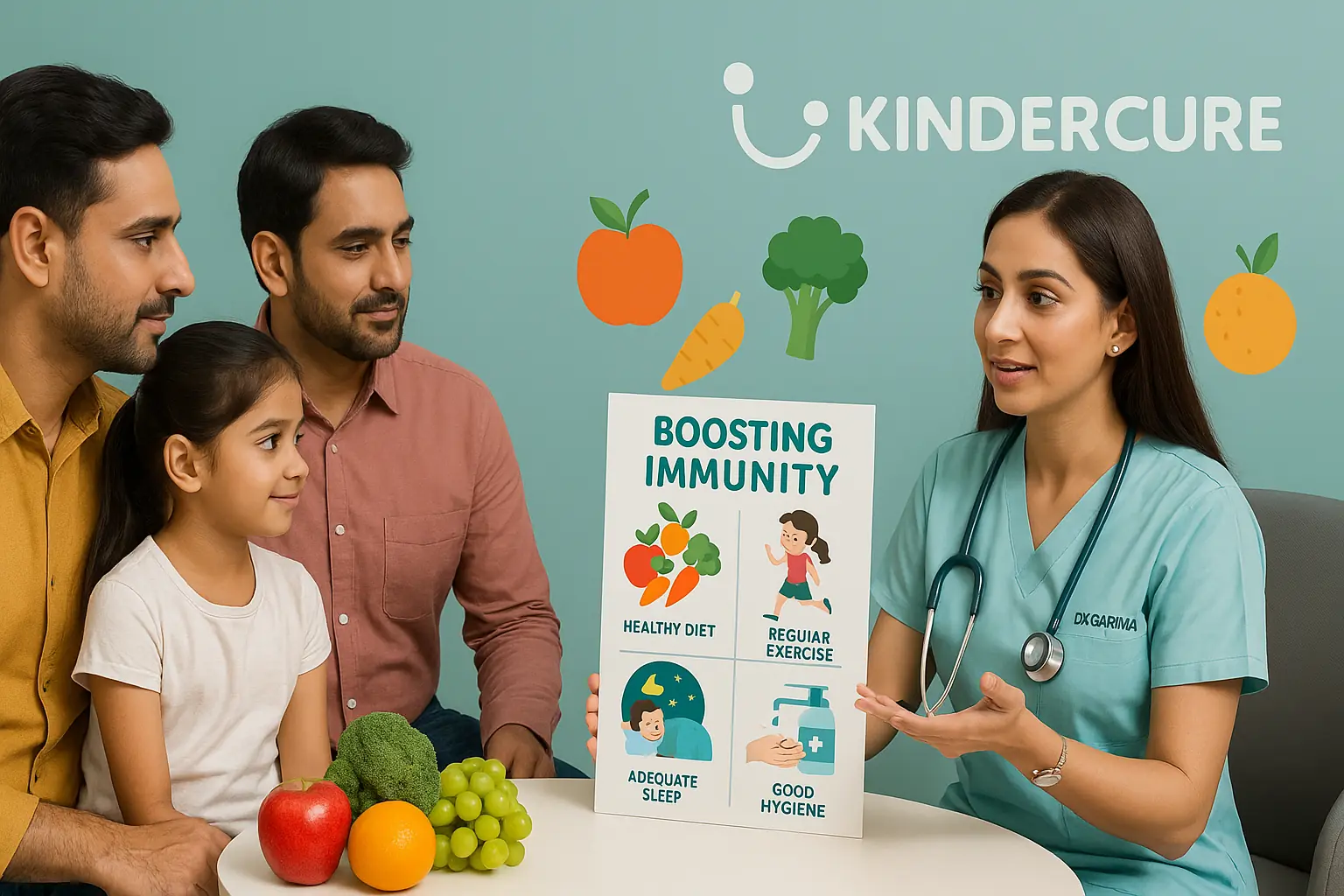
Building a strong immune system in children is a multifaceted process, involving a balanced diet, regular physical activity, adequate sleep, and proper hydration. Combined with stress management and age-appropriate lifestyle habits, these natural strategies give your child's immune system the best possible foundation for lifelong health.
Empower Your Child's Health Naturally
Visit KinderCure Clinic or book a consultation through WhatsApp for expert guidance on boosting your child's immunity.
Frequently Asked Questions
Can supplements boost my child's immunity?
For most healthy children eating a varied diet, supplements are unnecessary. However, vitamin D (400–600 IU/day) is recommended for Indian children due to widespread deficiency. Zinc and vitamin C supplementation may help during illness or if dietary intake is inadequate [2]. Always consult your paediatrician before starting any supplements.
Does playing in the dirt help build immunity?
There is some truth to this. Early exposure to diverse microbes helps train the immune system. The "old friends" hypothesis suggests that children who play outdoors and interact with natural environments develop more robust immune responses. This does not mean poor hygiene — handwashing before meals and after using the toilet remains essential.
How much vitamin C does my child need daily?
Children aged 1–3 need about 15 mg per day, those aged 4–8 need 25 mg, and children aged 9–13 need 45 mg. One medium amla (Indian gooseberry) provides over 600 mg — far more than the daily requirement. Citrus fruits, bell peppers, and guava are also excellent sources [1].
Do antibiotics weaken my child's immune system?
Antibiotics do not directly weaken immunity, but overuse disrupts the gut microbiome, which houses approximately 70% of immune cells [1]. India has high antibiotic resistance rates, making judicious use critical. Only use antibiotics when prescribed by your paediatrician, and always complete the full course.
Is immunity different for breastfed vs formula-fed babies?
Breast milk contains antibodies (particularly IgA), white blood cells, and prebiotics that provide passive immunity and support gut microbiome development. This is one reason the WHO recommends exclusive breastfeeding for the first 6 months. Formula-fed babies can still develop healthy immune systems — nutrition, sleep, and activity matter throughout childhood.
References
[1] Childs, C.E., Calder, P.C., & Miles, E.A. (2019). Diet and Immune Function. Nutrients, 11(8), 1933. Link
[2] Gombart, A.F., Pierre, A., & Maggini, S. (2020). A Review of Micronutrients and the Immune System — Working in Harmony to Reduce the Risk of Infection. Nutrients, 12(1), 236. Link
[3] Nieman, D.C. & Wentz, L.M. (2019). The compelling link between physical activity and the body's defense system. Journal of Sport and Health Science, 8(3), 201-217. Link
[4] Bull, F.C., et al. (2020). World Health Organization 2020 guidelines on physical activity and sedentary behaviour. British Journal of Sports Medicine, 54(24), 1451-1462. Link
Related Articles
- RSV Immunization for Babies in Gurgaon
- Combating Iron Deficiency in Children: A Comprehensive Guide
- The Silent Epidemic: Addressing Vitamin D Deficiency in Children
- Common Monsoon-Related Illnesses in Children and How to Prevent Them
- Child Nutrition: Everything Parents Need to Know
Internal Links
Related Articles


Need Expert Pediatric Care?
Book an appointment with Dr. Garima Mengi at KinderCure for personalized pediatric healthcare.